
Table of Contents
- How Laser Therapy for Acne Scars Works
- Types of Lasers and Which Scars They Treat
- What to Expect During a Laser Session
- How Many Laser Sessions for Acne Scars?
- Recovery Time After Laser Skin Resurfacing
- Your Post-Laser Skincare Routine
- Cost of Acne Scar Laser Treatment
- Beyond the Surface: Skin Tone, Emotional Impact, and Long-Term Care
- Frequently Asked Questions
Last Updated: September 11, 2026
How Laser Therapy for Acne Scars Works
Laser therapy for acne scars uses controlled light energy to remodel scar tissue and stimulate new collagen in the deeper layers of the skin. Our Registered Nurses hear this question constantly from patients who’ve spent years on serums and peels.
The answer sits in the dermis, the layer below the surface where scars are actually formed.
Acne scars are structural, not cosmetic. When a breakout heals, the skin can produce too little collagen (atrophic scars below the surface) or too much (raised hypertrophic scars). Topicals work on the epidermis, so they soften texture and fade pigmentation but cannot rebuild lost collagen. Laser energy reaches the dermis, triggering a controlled healing response called collagen remodeling that gradually lifts depressed scars and smooths uneven texture over a series of sessions.
The Australasian College of Dermatologists patient information on laser and light therapy outlines how different wavelengths target different tissue depths, which is why no single laser treats every scar type.
Ablative vs Non-Ablative Lasers
Ablative lasers remove the outer skin layer before heating the tissue beneath, fractional CO2 and erbium YAG are the main examples. They produce the most dramatic improvement in scar texture, with real downtime of a week or more of visible healing.
Non-ablative fractional lasers leave the epidermis intact and deliver heat in microscopic columns. Treatment is gentler with shorter downtime, but you’ll usually need more sessions for a comparable result.
The choice depends on scar type, skin tone, and realistic recovery time. Only a clinical consultation can match the right device to your skin.
Types of Lasers and Which Scars They Treat
Different scars respond to different devices. Here’s how the main options map to scar types:
| Laser Type | Best For | Downtime | Sessions (Typical) |
|---|---|---|---|
| Fractional CO2 | Ice pick, boxcar, deep texture | 7-10 days | 2-4 |
| Erbium YAG | Rolling scars, pigmentation | 5-7 days | 2-4 |
| Non-ablative fractional | Mild atrophic scars, early texture | 2-3 days | 4-6 |
| Pulsed dye | Erythema, red or pink scarring | 1-2 days | 3-5 |
Ice pick scars are narrow and deep, often needing ablative resurfacing or a combination approach. Boxcar scars have defined edges and respond well to fractional photothermolysis. Rolling scars, which give skin a wavy appearance, usually improve with treatments that release fibrous tethers beneath the surface.
One honest limitation: no laser erases a scar completely. The realistic goal is a meaningful improvement in texture and depth, not flawless skin. Anyone promising otherwise is overselling.
What to Expect During a Laser Session
A session begins with a clinical consultation and a test patch if your skin tone carries higher pigmentation risk. On treatment day, topical numbing cream is applied for 30 to 45 minutes; most patients describe quick, warm snaps.
A full-face session takes 30 to 60 minutes depending on device and area; local anesthesia is sometimes used for aggressive ablative treatments.
You’ll leave with redness and a mild sunburn sensation. Your nurse will walk you through aftercare, which matters as much as the treatment itself.
How Many Laser Sessions for Acne Scars?
Most patients need three to six sessions for noticeable improvement, spaced four to eight weeks apart, depending on scar severity and type, the laser used, and how your skin heals (the American Academy of Dermatology).
Deeper atrophic scars and ablative treatments sit at the lower end; mild texture treated with non-ablative fractional lasers sits at the higher end, since each session delivers less controlled injury.
Collagen remodeling continues for months after your final session, so the full result isn’t immediate. Photograph your skin under consistent lighting before you start, gradual change is easy to forget.
Book your sessions in the cooler months if you can. Sun exposure after laser treatment increases the risk of post-inflammatory hyperpigmentation, and a strict sun protection factor routine is non-negotiable for weeks afterward.
Recovery Time After Laser Skin Resurfacing
Recovery time after laser skin resurfacing ranges from two days for gentle non-ablative treatments to ten days for ablative resurfacing (peer-reviewed research). The first 48 hours bring the most visible redness and swelling.
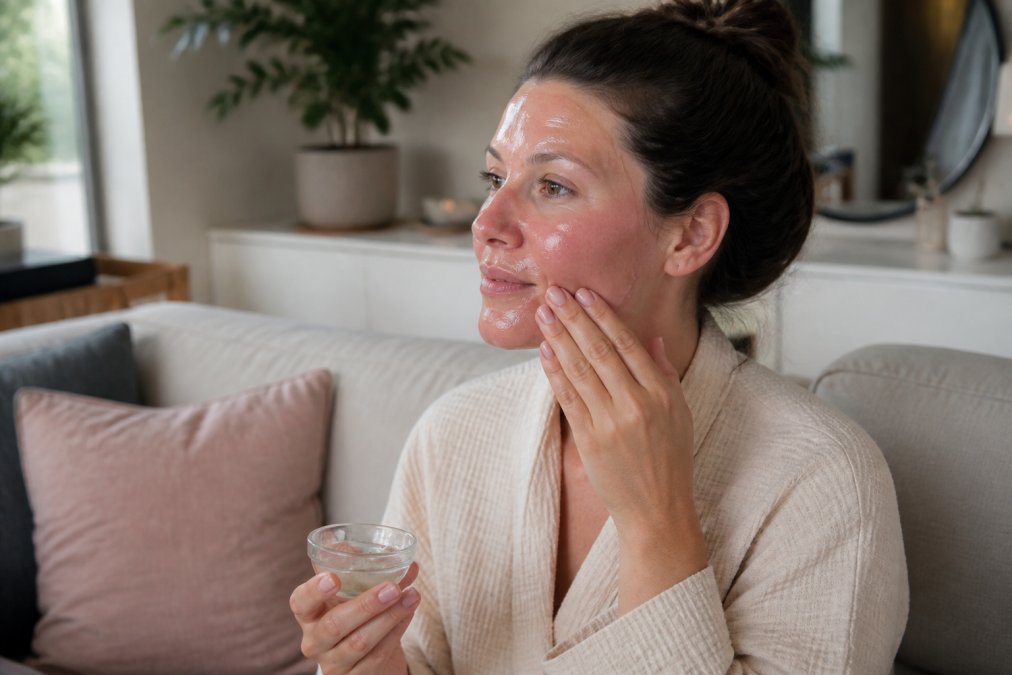
Days three to seven bring settling, with a bronzed, flaking appearance as the treated surface sheds. Resist picking and let healing run its course.
By week two, most patients return to normal makeup and social activities. Erythema can linger in fair or sensitive skin, so plan a quieter calendar for ablative treatment.
Your Post-Laser Skincare Routine
A post-laser skincare routine should be minimal, gentle, and consistent. The skin barrier is compromised after treatment, so the goal is protection, not correction.
- Cleanse with a mild, fragrance-free cleanser twice daily
- Moisturise with a barrier-repair cream, reapplying as needed
- Protect with a broad-spectrum sun protection factor 50+ every morning, reapplied through the day
- Pause active ingredients such as retinol and exfoliating acids until your nurse clears them
- Avoid saunas, hot yoga, and intense exercise for the first few days
Most patients can reintroduce actives after one to two weeks, but sun protection stays permanent. Ongoing UV exposure undoes collagen gains and drives new pigmentation, the most common reason patients feel results faded.
Cost of Acne Scar Laser Treatment
Laser scar treatment in Australia is almost always private and out-of-pocket. Medicare does not cover cosmetic laser resurfacing for acne scarring, as it is classified as non-medically necessary. A small number of cases may attract a rebate if scarring is severe enough to be a medical condition and a specialist dermatologist itemises it correctly, but this is the exception, never assumed when budgeting.
Private health insurance is similarly limited: most extras policies exclude cosmetic laser, and even those listing ‘laser therapy’ usually restrict it to medically indicated skin conditions rather than scar revision. Check your policy’s exclusions and request an itemised quote for a pre-treatment benefits check.
What Drives the Price
Because there is no single national price, the cost of a course of treatment is built from four variables:
- Device type, ablative fractional CO2 and erbium YAG resurfacing cost more per session than non-ablative fractional or pulsed dye lasers, because they are more technically demanding and carry longer recovery.
- Treatment area, full-face resurfacing costs more than a targeted area such as cheeks or temples. Some clinics price per session, others per course.
- Number of sessions, a typical plan runs three to six sessions, so the course cost is the per-session fee multiplied by the number of sessions your clinician recommends.
- Practitioner qualifications, a dermatologist, a Registered Nurse working under a dermatologist’s protocol, and a beauty therapist with a laser licence all sit at different price points. Higher fees usually reflect higher clinical oversight, not just branding.
Typical Price Bands
As a general guide, non-ablative fractional sessions in Australia commonly sit in the low-to-mid hundreds of dollars, while ablative fractional CO2 resurfacing sits in the mid-to-high hundreds and can exceed that for full-face treatment with a dermatologist. A full course of three to six sessions often lands between roughly one and a half and five thousand dollars. These are indicative bands only, your written quote is the only figure that matters.
How to Read a Quote
Ask for the quote in writing and make sure it separates:
- Consultation fee (often redeemable against treatment)
- Per-session fee and the recommended number of sessions
- Cost of any numbing cream, aftercare products, or test patch
- Whether review appointments are included
- The clinic’s cancellation and rebooking policy
Be cautious with unusually cheap per-session pricing: a plan built on more sessions than you need, or a device unmatched to your scar type, rarely delivers value. Ask what laser is used, who operates it, their qualifications, and whether they are registered for that laser class in your state or territory, licensing is regulated state by state.
If cost is the deciding factor, ask whether a split plan is possible, for example, treating the most visible area first, then reassessing. It is better to do fewer sessions with the right device than a full course with the wrong one.
Payment and Financing
Many Australian clinics offer third-party payment plans, and some offer package pricing that lowers the per-session cost when you commit to a course. Read the terms: packages usually lock you to one clinic, and refunds are rarely available once treatment starts. Compare total course cost for the same device and session count, not the headline per-session price.
Beyond the Surface: Skin Tone, Emotional Impact, and Long-Term Care
Most guides stop at the procedure. These three factors decide whether your result holds up.
Skin Tone Changes the Risk Profile
Laser risks are not evenly distributed across skin tones. The Fitzpatrick scale, which classifies skin by UV response, is the framework clinicians use to predict who is most likely to develop post-inflammatory hyperpigmentation (PIH) or hypopigmentation after laser treatment. Generally, the higher the Fitzpatrick type, the greater the risk, melanin-rich skin reacts to thermal injury by producing more pigment, not less.
This does not make laser therapy unsuitable for deeper skin tones. It changes the approach:
- Lower energy settings with more passes, rather than high-energy single passes
- Longer intervals between sessions, often eight weeks or more rather than four
- Wavelength selection that targets water or haemoglobin rather than melanin, reducing the chance of collateral pigment damage
- Aggressive pre-treatment priming with topical agents such as hydroquinone or tretinoin, where clinically appropriate, to stabilise melanocyte activity before the first session
- Test patch as standard, not optional, for Fitzpatrick types IV to VI
A practitioner who treats deeper skin tones regularly will raise these points before you do. If they don’t, that is a signal to seek a second opinion. The difference between a good outcome and a complication in darker skin is often not the device, it is the operator’s experience with that skin type.
The Emotional Weight Is Part of the Clinical Picture
Acne scarring is visible, and visibility changes how people move through the world. Acne scarring is visible, and visibility changes how people move through the world. This history shapes how they experience treatment and what ‘success’ means to them.
This matters clinically, not just emotionally. Patients who feel rushed during consultation are more likely to hold unrealistic expectations, under-report side effects, and abandon treatment partway. A good consultation maps your scar types honestly, shows realistic rather than dramatic improvement, and gives you space to say what the scarring has cost you. As our patient Carly Gregorich put it, the experience felt “professional, supportive and genuinely personalised.”
If you are weighing up treatment, it is worth asking yourself what you actually want to change. Texture? Redness? The way you feel in photographs? Those are different goals, and they may point to different devices or different combinations of treatments.
Long-Term Maintenance Protects the Result
Collagen remodelling continues for months after your final session, but gains aren’t permanent if the conditions that created the scarring return. The habits that protect a laser result are unglamorous but consistent:
- Daily broad-spectrum SPF 50+, year-round, reapplied through the day. UV exposure breaks down collagen and drives new pigmentation, it is the single most common reason patients feel their results faded.
- A simple, consistent skincare routine rather than aggressive experimentation. Barrier disruption from over-exfoliation or frequent product changes can undo months of progress.
- Prompt treatment of new acne. Every new inflammatory breakout carries a risk of fresh scarring. Treating acne early is cheaper and easier than treating the scar later.
- Periodic clinical review as your skin changes with age, hormones, or medication. A plan that suited you at 28 may need adjusting at 38.
- Realistic pacing. Maintenance sessions every 12 to 24 months are common for patients who want to preserve texture improvements, particularly after ablative treatment.
Laser therapy is one part of a longer plan. The best long-term outcomes go to patients who treat it that way, and choose a clinician willing to talk about the years after treatment, not just the weeks during it.
Frequently Asked Questions
Does laser treatment really work for acne scars?
Laser therapy can significantly improve the appearance of acne scars by stimulating collagen production and resurfacing the skin. It works best on atrophic scars such as ice pick, boxcar, and rolling scars. Results are not instant and usually require multiple sessions. While lasers cannot completely remove all scarring, many people see a smoother skin texture and reduced redness. A clinical consultation is essential to assess your scar type and set realistic expectations.
Is laser therapy suitable for all skin types?
Not all lasers are safe for every skin tone. Some ablative lasers carry a higher risk of post-inflammatory hyperpigmentation in darker skin. Non-ablative fractional lasers and certain wavelengths are often safer for medium to deep skin tones. A qualified practitioner will assess your skin type and may recommend a test spot before full treatment. Always choose a clinic experienced in treating diverse skin types.
What is the recovery time for laser acne scar treatment?
Recovery time after laser skin resurfacing depends on the laser used. Non-ablative treatments typically involve 2 to 4 days of redness and mild swelling, while ablative lasers can require 7 to 10 days of downtime with peeling and crusting. Most people can return to work within a week, but sun protection and gentle skincare are crucial during healing. Your practitioner will give you a personalised recovery timeline.
How much does laser treatment for acne scars cost?
The cost of acne scar laser treatment varies based on the laser type, the size of the treatment area, and the number of sessions required. Clinics may charge per session or offer package pricing. Because pricing depends on your individual treatment plan, it is best to book a consultation for an accurate quote. Many clinics also offer payment plans to spread the cost.