
Table of Contents
- What to Expect at a Cosmetic Clinic Appointment
- Preparing for Your Cosmetic Clinic Consultation
- Key Questions to Ask Your Cosmetic Nurse
- Understanding AHPRA Cosmetic Surgery Regulations and Safety Standards
- How to Book Your Appointment
- Post-Consultation: Next Steps and Treatment Planning
- Frequently Asked Questions
Last Updated: August 31, 2026
What to Expect at a Cosmetic Clinic Appointment
A cosmetic clinic consultation is your first opportunity to discuss your aesthetic goals with a qualified professional in a confidential, supportive environment. The professional will listen to your concerns, assess your skin or area of interest, and explain what’s realistically achievable for your specific situation.
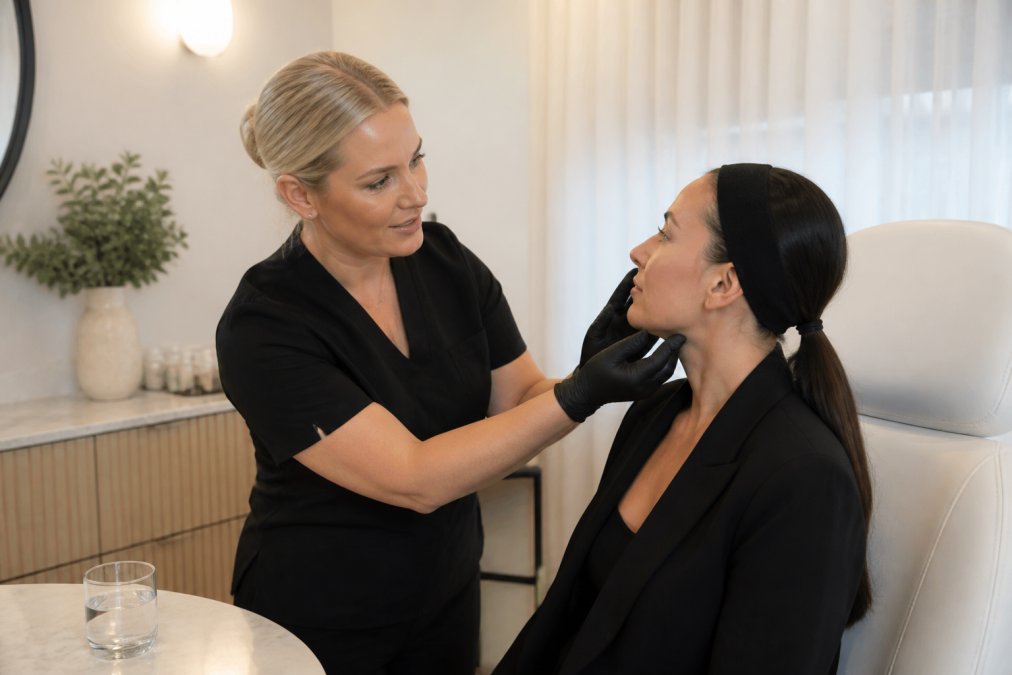
The consultation begins with a detailed discussion about your medical history, current skincare routine, and any previous treatments. The professional will examine your skin texture, elasticity, symmetry, and areas of concern under good lighting, often using magnification tools. A thorough consultation includes transparency about outcomes, realistic before-and-after examples from actual clients, a specific treatment plan tailored to you, and honest discussion of what’s possible and what isn’t.
Many clinics offer both face-to-face and video consultations. Face-to-face appointments allow hands-on clinical assessment, essential for most aesthetic treatments. Video consultations suit initial discussions or follow-ups but have limitations for detailed skin analysis. The appointment concludes with a personalised treatment plan outlining recommended procedures, timeline, realistic outcomes, and aftercare. At BLC Aesthetics, this process ensures you feel completely informed before making any decisions.
Preparing for Your Cosmetic Clinic Consultation
Preparation makes your consultation more productive. Start by listing your specific concerns, fine lines, skin texture, pigmentation, volume loss, and be honest about what bothers you most.
Avoid certain treatments and products in the days leading up to your appointment. Most clinics recommend stopping retinol products, vitamin C serums, and acids for 3-5 days beforehand (peer-reviewed research). If you’ve had recent injectables or laser treatments, mention the dates and what was done.
Bring relevant documentation. If you’ve had cosmetic procedures elsewhere, photos or records help establish context. Medical records or a list of medications are important, especially if you’re on blood thinners or have conditions affecting treatment suitability.
Wear minimal makeup to allow the professional to assess your natural skin tone and texture without obstruction. Comfortable, casual clothing works best. Write down questions in advance so you cover everything important. Think about your lifestyle, how much downtime can you realistically manage after treatment? Are you planning holidays or events?
Arrive with realistic expectations. Aesthetic treatments enhance and refine but don’t transform you into someone else. The professionals at BLC Aesthetics focus on bringing out your best features in a way that feels natural to you.
Key Questions to Ask Your Cosmetic Nurse
Ask about the fundamentals: “What specific concern are you addressing with this treatment, and how does it work?” A qualified professional should explain clearly and connect it directly to your goals.
Ask about realistic outcomes and timelines: “What results can I reasonably expect, and when will I see them?” Different treatments work at different speeds, some show results immediately, others take weeks or months.
Recovery and downtime matter significantly. Ask: “What’s the recovery process like, and how much downtime should I plan for?” This shapes whether the timing is right for your schedule.
Clarify safety and side effects honestly: “What are the possible side effects, and how common are they?” A professional who downplays risks or guarantees zero side effects is a red flag. Ask about contraindications: “Are there any reasons this treatment might not be suitable for me?”
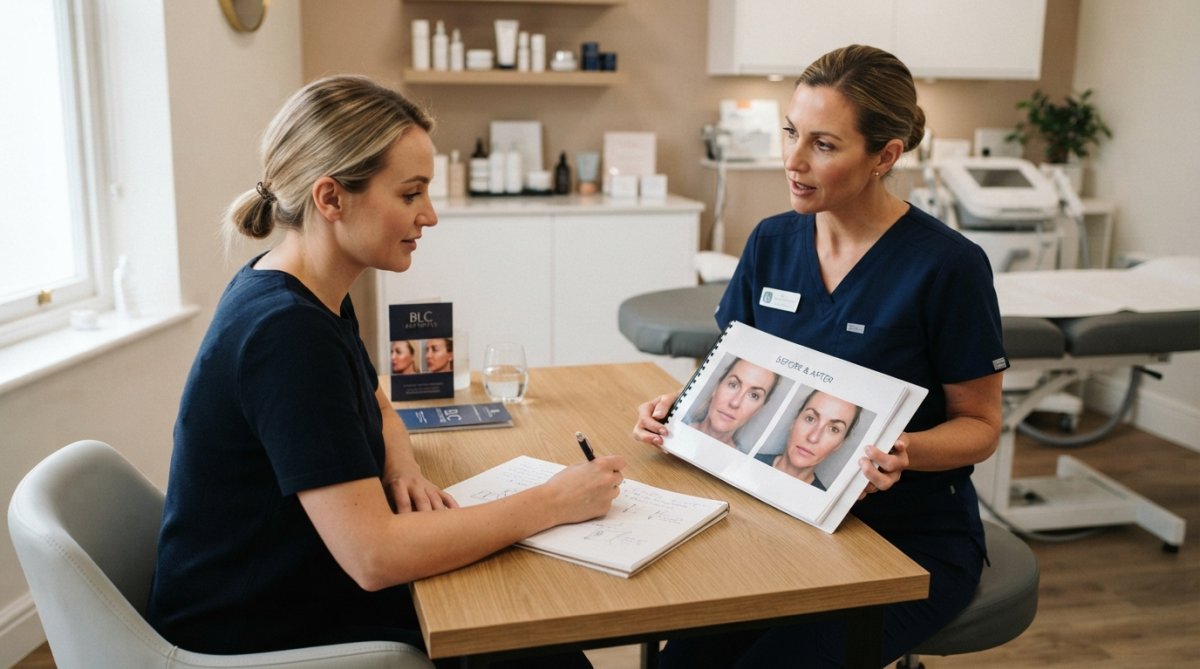
Ask about the professional’s experience and qualifications: “How many of these procedures have you performed, and what’s your training background?” At BLC Aesthetics, you’re working with Registered Nurses with extensive experience.
Clarify costs: “What’s the total cost, what does it include, and are there any additional costs?” Understand payment options, package deals, and what happens if you’re not satisfied.
Ask about aftercare specifics: “What exactly should I do after treatment, and what should I avoid?” Detailed aftercare instructions are crucial for results and safety.
Finally, ask how the professional would approach your specific goals: “How would you approach my concerns, and why is that the best option for me?” Listen for whether they’re tailoring recommendations to you or pushing a standard package.
Understanding AHPRA Cosmetic Surgery Regulations and Safety Standards
In Australia, cosmetic procedures are regulated to protect patients and ensure professional standards. The Australian Health Practitioner Regulation Agency (AHPRA) oversees registered healthcare professionals, including Registered Nurses who perform certain aesthetic treatments (ahpra.gov.au).
You can verify that your practitioner is registered and check whether there are any conditions on their practice through the AHPRA register. Anyone performing cosmetic procedures should be on this register. Clinics like BLC Aesthetics operate within these regulatory frameworks, ensuring their team meets national standards.
Registered Nurses performing cosmetic procedures must have appropriate training and qualifications beyond general nursing registration. This might include advanced certifications in injectables, laser therapy, or other specialised techniques. The clinic should be transparent about staff qualifications and willing to discuss specific training.
Safety standards cover infection control, equipment maintenance, and emergency protocols. Reputable clinics follow strict hygiene procedures, use sterile equipment, and maintain proper documentation. They should explain their infection control measures and how they ensure safety during procedures.
Informed consent is a legal and ethical requirement. Before any treatment, you must receive clear information about the procedure, its risks, benefits, and alternatives. The clinic should provide written consent forms that you read and sign.
Product quality and traceability matter significantly. Treatments involving injectables or dermal fillers should use only approved, legitimate products from reputable manufacturers. Clinics should tell you the product name, batch number, and expiry date.
Professional indemnity insurance protects you if something goes wrong. Registered practitioners should carry appropriate insurance, demonstrating professional accountability.
How to Book Your Appointment
Booking a cosmetic clinic consultation should be straightforward. Most clinics offer multiple booking methods, online through their website, by phone, or email. BLC Aesthetics provides flexible booking options to suit your preference and schedule.
When you book, have basic information ready: your preferred dates and times, whether you want face-to-face or video consultation, and any specific concerns. Some clinics ask preliminary questions during booking to ensure they can address your needs and allocate appropriate time.
Ask about appointment duration when you book. Initial consultations typically take 30-60 minutes depending on the complexity of your concerns (the American Academy of Dermatology). Confirm the location and any parking or access information.
Ask about cancellation policies before you book. Understanding the clinic’s policy, cancellation fees, notice required, and how to reschedule prevents misunderstandings later.
Prepare any documentation you’ll need. If bringing medical records or photos from previous treatments, have these ready. Some clinics ask you to arrive 10-15 minutes early to complete intake forms.
On the day of your appointment, wear comfortable clothing and minimal makeup. Arrive a few minutes early if possible. Bring your list of questions or concerns to make the most of your time.
Post-Consultation: Next Steps and Treatment Planning
After your consultation, you’ll have a clear understanding of what’s possible and what’s recommended. The professional should provide a detailed treatment plan in writing, outlining the recommended procedure or procedures, timeline, realistic outcomes, cost, and aftercare requirements.
Many people benefit from taking a few days to consider their options. A good clinic never pressures you into immediate booking. If you have questions after leaving, reputable clinics are happy to answer them by phone or email.
If you’ve decided to proceed, the next step is scheduling your treatment appointment. Some treatments require preparation, certain products to avoid, specific skincare routines, or medical clearance. The clinic will provide detailed pre-treatment instructions.
Before your treatment appointment, you’ll likely have a final confirmation call or message. This is an opportunity to ask last-minute questions and confirm you’re prepared.
After treatment, follow the aftercare instructions precisely. These are designed to optimise results and minimise complications. The clinic should provide written aftercare instructions and be available if you have concerns during recovery.
Many treatments benefit from follow-up appointments for adjustments, touch-ups, or check-ins. At BLC Aesthetics, the focus is on personalised treatment planning that extends beyond the initial procedure, ensuring you achieve your aesthetic goals safely and effectively.
Booking a cosmetic clinic consultation is a significant step toward addressing your aesthetic concerns with professional guidance. The process, from preparing thoughtfully to asking the right questions to understanding safety standards, ensures you’re making informed decisions about your appearance and health. A qualified clinic like BLC Aesthetics prioritises your safety, comfort, and genuine results, creating an experience where you feel heard, informed, and supported throughout your aesthetic journey. Ready to take the next step? Contact BLC Aesthetics to schedule your personalised consultation and discover how tailored treatment planning can help you achieve your aesthetic goals.
Frequently Asked Questions
What should I ask during a cosmetic clinic consultation?
Ask about the specialist’s experience with your specific concern, what results you can realistically expect, recovery time, potential risks, and the recommended treatment plan. Request to see before-and-after photos and ask about their qualifications and AHPRA registration. Understanding the clinical assessment process and how they personalise your approach is also important to ensure you feel confident in their expertise.
How do I know if a cosmetic clinic is reputable?
Verify that all staff providing treatments are registered with AHPRA and check their professional credentials. Look for clinics that offer thorough face-to-face consultations, clearly explain medical history requirements, and provide transparent information about safety standards. Award recognition, patient testimonials, and a detailed treatment plan discussion are good indicators of a professional cosmetic surgery and aesthetic medicine provider.
Are cosmetic consultations usually free or paid?
Consultation fees vary by clinic. Some offer complimentary initial consultations, whilst others charge a fee that may be credited toward treatment costs. It’s worth asking about consultation pricing when you book your appointment. A paid consultation often reflects the time invested in your clinical assessment and personalised treatment plan development.
How should I prepare for a cosmetic clinic consultation?
Prepare a list of your aesthetic goals and skin concerns. Gather your medical history, current medications, and any previous treatments. Avoid alcohol, blood thinners, and intense sun exposure for a few days before your appointment. Wear minimal makeup and comfortable clothing. Bring photos of results you like to help your specialist understand your vision and ensure the consultation focuses on realistic, personalised outcomes.