

Table of Contents
- Why Preventative Skin Treatments Matter at 25
- The Science of Skin Ageing at 25
- Best Skincare Routine for 25 Year Olds
- Sun Protection and UV Damage Prevention
- When to Start Anti-Aging Treatments
- Prejuvenation Treatments at 25
- Lifestyle Factors That Affect Skin Health
- Getting Professional Guidance on Your Skin
- Frequently Asked Questions
Last Updated: September 28, 2026
Why Preventative Skin Treatments Matter at 25
Starting preventative skin treatments for age 25 isn’t about fixing problems, it’s about stopping them before they start. A consistent approach to sun protection, hydration, and targeted treatments can delay visible ageing by years, sometimes a full decade or more.
Skin damage accumulates from UV exposure, environmental stress, and cellular slowdown. By the time fine lines appear in your mid-thirties or forties, most damage was done in your twenties. Clients who start preventative care early often avoid the more invasive treatments their peers eventually pursue.
The Science of Skin Ageing at 25
Collagen production declines roughly 1% per year after age 25, while elastin degrades and cell turnover slows. The skin barrier becomes more vulnerable to pollution, UV radiation, and free radical damage.
Photoaging from cumulative sun exposure is the primary driver of premature ageing. Unprotected exposure, hiking without sunscreen, driving with windows down, skipping SPF on cloudy days, compounds beneath the surface before becoming visible.
Hormonal fluctuations affect skin hydration, oil production, and inflammation. Stress, sleep quality, and diet influence collagen synthesis and cellular repair, sometimes more dramatically than genetics.
Best Skincare Routine for 25 Year Olds
A solid routine at 25 has three non-negotiable layers: cleanse, protect, and hydrate. This foundation prevents most common skin concerns and sets the stage for more advanced treatments later if needed.
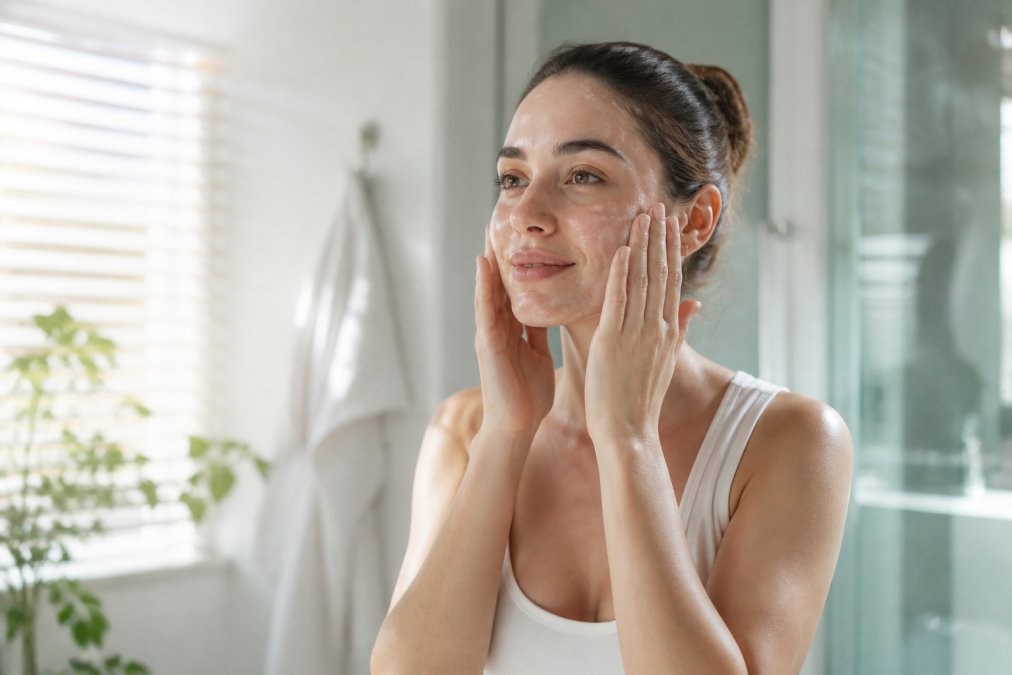
Daily essentials: cleanse, protect, hydrate
Use a gentle, pH-balanced cleanser twice daily to remove oil and debris without stripping the skin barrier. Harsh cleansers disrupt pH and trigger compensatory oiliness or sensitivity.
Follow with a hydrating toner and lightweight moisturiser suited to your skin type. Dehydrated skin produces excess oil to compensate, so hydration is critical even for oily skin.
Apply broad-spectrum sunscreen (SPF 50+) daily, even indoors and on cloudy days. UV rays penetrate cloud cover and reflect off windows. This single habit prevents the majority of premature ageing.
Active ingredients that work at this age
Vitamin C serums support collagen synthesis and protect against free radicals. Apply stabilised vitamin C in the morning under sunscreen to amplify sun protection and brighten skin tone.
Niacinamide strengthens the skin barrier, reduces sebum, and calms inflammation. It’s gentle enough for daily use and pairs well with other actives.
Retinoids prevent fine lines and improve texture. Start with low-strength retinol once or twice weekly, gradually increasing frequency as skin adapts. Retinoids increase sun sensitivity, so consistent SPF is essential.
Hyaluronic acid holds up to 1,000 times its weight in water, plumping skin and reducing fine lines. Apply to damp skin before moisturiser for maximum absorption.
Use a gentle chemical exfoliant with AHAs or BHAs 2-3 times weekly to improve texture and product penetration. Avoid over-exfoliation, which damages the barrier and increases sensitivity.
Sun Protection and UV Damage Prevention
Sun protection is the single most effective preventative skin treatment for age 25. UV radiation damages collagen and elastin; cumulative exposure in your twenties determines much of your skin’s appearance in your forties.
Broad-spectrum sunscreen blocks UVA (photoaging) and UVB (sunburn). SPF 50 blocks 98% of UVB rays. Apply generously, a full face requires roughly a quarter-teaspoon.
Physical sunscreens (zinc oxide, titanium dioxide) reflect UV rays and provide immediate protection. Chemical sunscreens absorb UV rays and require 15 minutes to activate but feel lighter. Both are effective; choose based on your skin type.
Protective clothing, hats, and shade during peak UV hours (10 a.m. to 4 p.m.) reduce exposure. Antioxidants like vitamin C, vitamin E, and green tea polyphenols neutralise free radicals from UV exposure.
When to Start Anti-Aging Treatments
Preventative skin treatments for age 25 focus on maintenance and early intervention, not correction of established lines or volume loss.
Chemical peels remove dead skin cells and accelerate turnover. Microneedling creates controlled micro-injuries that trigger collagen synthesis. Both are safe at 25 and show cumulative benefits with treatments spaced 4-6 weeks apart.
Most people at 25 don’t need fillers. A preventative neuromodulator in micro-doses can relax overactive muscles before deep lines form, but this is optional and requires consultation with a qualified practitioner.
If your parents showed early signs of ageing, you may benefit from earlier intervention. Otherwise, focus on basics, sunscreen, hydration, retinoids, and revisit advanced treatments in your early thirties.
Prejuvenation Treatments at 25
Prejuvenation means starting aesthetic treatments early to prevent ageing. For preventative skin treatments for age 25, choose non-invasive and minimally invasive options that maintain skin health and address early concerns.
Non-invasive options to consider
Professional facials provide deeper cleansing and hydration than at-home routines. Chemical peels remove damaged layers and accelerate turnover. Both have no downtime and can be done monthly or quarterly.
Microneedling with radiofrequency combines micro-injuries with heat to stimulate collagen more aggressively. A series of three to four treatments spaced four weeks apart produces noticeable improvement in texture and fine lines.
LED light therapy (red and near-infrared wavelengths) stimulates fibroblasts and collagen production. It’s gentle, non-invasive, and suitable for all skin types.
Collagen-stimulating treatments
Treatments that trigger the skin’s own collagen production are the cornerstone of prejuvenation. Beyond microneedling, options include:
Laser therapy (fractional CO2 or erbium) creates controlled thermal damage that prompts collagen remodelling. Results are significant but require downtime (redness and mild peeling for 3-7 days). This is more aggressive than microneedling and typically reserved for texture, scarring, or uneven tone rather than pure prevention at 25.
Skin boosters are injectable hydrating treatments that improve skin quality from within. A course of three treatments spaced two weeks apart provides cumulative benefits with subtle, natural-looking results.
PRP (platelet-rich plasma) therapy uses your own blood’s growth factors to stimulate collagen. Results are natural and gradual with mild redness for 24-48 hours post-treatment.
Lifestyle Factors That Affect Skin Health
Skincare products and professional treatments are only part of the equation. Lifestyle choices influence collagen production, skin hydration, and cellular repair as much as topical applications.
Sleep quality directly affects skin. Deep sleep increases growth hormone and blood flow, supporting cellular repair and collagen synthesis. Chronic sleep deprivation impairs these processes and increases cortisol. Aim for 7-9 hours nightly.
Antioxidant-rich foods protect against free radical damage. Omega-3 fatty acids support the skin barrier and reduce inflammation. Adequate protein and hydration maintain skin plumpness and support cellular function.
Chronic stress elevates cortisol, which breaks down collagen and impairs the skin barrier. Regular exercise, meditation, or time outdoors reduces stress and improves blood flow to skin.
Smoking and excessive alcohol dehydrate skin and impair collagen synthesis. Avoiding them is one of the highest-impact preventative measures available.
Getting Professional Guidance on Your Skin
At-home routines and lifestyle habits form the foundation, but professional assessment ensures you’re addressing your specific skin needs effectively. A dermatologist or qualified aesthetic practitioner can identify early signs of ageing, assess your skin barrier health, and recommend preventative treatments tailored to your genetics and concerns.
Many people avoid professional consultations because they assume their skin is “fine” or worry about being sold unnecessary treatments. The reality is that early assessment prevents costly corrections later. A practitioner can spot subtle signs of sun damage, dehydration, or early fine lines that you might miss. They can recommend treatments that work for your skin type and lifestyle.
At BLC Aesthetics, our team of Registered Nurses provides personalised consultations focused on your long-term skin health. We listen to your concerns, assess your skin objectively, and recommend preventative skin treatments for age 25 that align with your goals. Whether you need a refined skincare routine, professional treatments, or both, the goal is to support your skin’s health now so you maintain it confidently for decades.
Preventative care at 25 isn’t about chasing perfection.
| Preventative Strategy | Best For | Frequency |
|---|---|---|
| Daily sunscreen (SPF 50+) | All skin types | Every day |
| Retinoid serum | Fine lines, texture | 2-3 times weekly (build tolerance) |
| Professional chemical peel | Texture, radiance | Monthly or quarterly |
| Microneedling with RF | Collagen stimulation, texture | Every 4-6 weeks (series of 3-4) |
| Skin boosters | Hydration, elasticity | Every 2 weeks (series of 3) |
Start with the basics, sunscreen, hydration, and a gentle retinoid, before exploring professional treatments. Most people at 25 don’t need injectables; they need consistent prevention. Build your routine now, and you’ll avoid the need for aggressive correction later.
Preventative skin treatments for age 25 focus on maintenance and early intervention. Collagen production declines gradually starting now, but consistent sun protection, hydration, and targeted actives can delay visible ageing by years. Professional treatments like microneedling and chemical peels stimulate collagen without downtime and complement your daily routine.
Frequently Asked Questions
Frequently Asked Questions
What kind of skin care should I use at 25 years old?
At 25, focus on a foundation of cleanser, moisturiser, and broad-spectrum sunscreen (SPF 30+). Add a vitamin C serum or retinoid 2-3 times weekly to boost collagen production and address early fine lines. Include a hydrating essence or skin booster if your skin feels dry. The goal is to support your skin barrier and prevent UV damage before deeper lines form.
Is 25 too early for retinol or other anti-aging treatments?
No. Starting retinoids at 25 is considered ideal for prejuvenation. Low-strength retinol used 2-3 times weekly helps stimulate cellular turnover and collagen synthesis without overwhelming young skin. Chemical peels and professional skin treatments can also begin at this age to address texture, tone, and early photoaging. The key is starting with gentle concentrations and building tolerance gradually.
What are the benefits of professional skin consultations in your 20s?
A professional consultation identifies your skin type, concerns, and risk factors for premature ageing before visible damage appears. Dermatologists and aesthetic nurses can recommend preventative treatments, such as collagen-boosting therapies or sun protection strategies, tailored to your genetics and lifestyle. Early intervention through non-invasive options like skin boosters or light therapies can support skin health. You’ll also gain insights into products that may work for your skin, helping you build a sustainable routine.
How long do results last with preventative treatments like chemical peels or skin boosters?
Results vary by treatment. Chemical peels improve texture and tone immediately, with benefits lasting 4-6 weeks before cellular turnover naturally reverses them; regular peels maintain results. Skin boosters hydrate and stimulate mild collagen production, with effects visible after 2-3 sessions and lasting 6-12 months depending on the product. Preventative neuromodulators last 3-4 months. Consistency matters: prejuvenation works best as an ongoing routine rather than one-off treatments. Your aesthetic professional can recommend a schedule that fits your goals.